
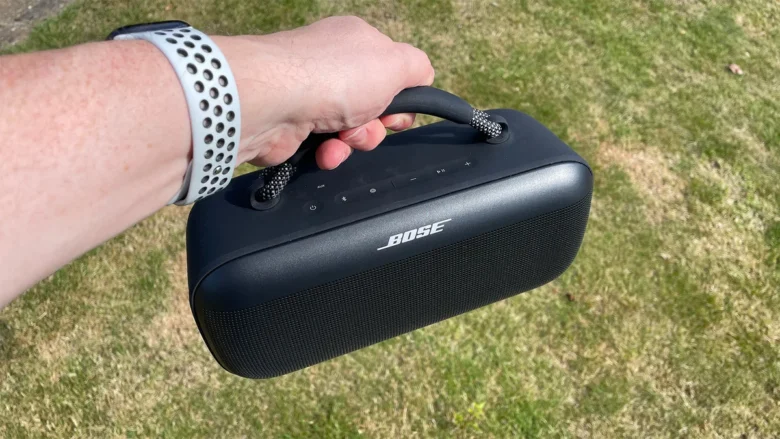
I still remember the first time I took my brand-new Bluetooth speaker to a weekend camping trip. I imagined crisp sounds accompanying our laughter by the campfire, upbeat tunes over hikes, and maybe even an occasional dance party by the lake. Reality hit fast. Within hours, the speaker’s battery drained way too quickly, the sound distorted when humidity hit, and a sudden drizzle made me realize my “durable” speaker was anything but.
If you’ve ever experienced this, you understand the disheartening feeling of purchasing a speaker that promised portability and toughness, only to fail when exposed to the elements. Choosing a Bluetooth speaker for outdoor adventures can feel overwhelming with so many options, confusing specs, and flashy marketing claims.
After months of trial, error, and research, I finally figured out how to pick a speaker that not only survives outdoors but actually thrives. Here’s my step-by-step guide to help you avoid the mistakes I made and enjoy reliable outdoor sound wherever you go.
Understanding the Outdoor Speaker Problem
Before diving into the solutions, it’s important to understand why some speakers fail outdoors. The main challenges include:
- Exposure to Weather: Rain, snow, humidity, and even morning dew can damage electronics. Many speakers claim to be “water-resistant” but don’t handle full immersion.
- Rough Handling: Hiking, camping, or beach trips often mean drops, bumps, and scratches. A flimsy design won’t survive long.
- Battery Life and Power Management: Outdoor trips usually mean hours without access to charging. A speaker who dies halfway through your day is frustrating.
- Sound Projection: A speaker that works fine indoors can sound tinny and weak outside where there’s no wall reflection to amplify it.
Knowing these pain points helps in making a smart choice rather than blindly buying the latest trendy model. I learned the hard way that durability, battery life, and sound performance are not optional—they’re essential.
Step-by-Step Guide to Choosing an Outdoor Bluetooth Speaker
Here’s the method I developed over several outdoor trips, combining hands-on testing with research. It’s beginner-friendly and actionable.
Step 1: Check the IP Rating
The first thing I learned was the importance of the IP (Ingress Protection) rating. This tells you how resistant a speaker is to water and dust.
- IPX4 – Splash-resistant; fine for light rain, but don’t drop it in a puddle.
- IPX6 can handle heavy rain and water spray; it is ideal for most outdoor use.
- IP67—Waterproof and dustproof; can survive immersion and sandy beaches.
When I upgraded from an IPX4 to an IP67 speaker, it survived a sudden storm during a mountain hike without missing a beat. If you’re serious about the outdoors, don’t compromise here.
Step 2: Evaluate Build Quality
Next, I physically examined speakers for ruggedness. Some key features to look for:
- Materials: Rubberized edges and reinforced corners absorb drops and bumps.
- Port Covers: Protect charging ports from dust and moisture.
- Weight and Grip: Lightweight is beneficial for portability, but too light can feel flimsy. A slightly heavier speaker often signals sturdy construction.
I learned that dropping a speaker on rocks isn’t a matter of “if” but “when.” Speakers with solid exteriors and minimal plastic parts last longer.
Step 3: Assess Battery Life
Outdoor adventures demand long-lasting power. Many speakers promise “up to 10 hours,” but real-world use often delivers less.
- Choose a speaker with at least 12–15 hours of battery life for day trips.
- Look for fast charging or USB-C support; it makes topping up much easier.
- Some models even support power bank mode, letting you charge your phone in emergencies.
I once relied on a speaker with a 6-hour battery for a full-day beach trip. By mid-afternoon, the music stopped, and morale dropped. Lesson learned: always plan for more than advertised.
Step 4: Test Sound Quality for Open Spaces
A speaker that rocks your living room may falter outdoors. Here’s what to focus on:
- Volume & Loudness: Outdoor spaces need higher volume without distortion.
- Bass Performance: Deep bass can get lost outdoors; look for enhanced bass or passive radiators.
- 360° Sound: Some speakers project sound in all directions, which is perfect for group activities.
I tested several models at a park. The ones that sounded fine indoors felt hollow outside, while speakers with wider sound dispersion filled the space naturally.
Step 5: Consider Connectivity and Features
While durability is crucial, convenience matters too. Look for:
- Bluetooth Version: Newer versions (5.0+) ensure stable connections and longer range.
- Multi-Speaker Pairing: Lets you link two speakers for bigger sound outdoors.
- Voice Assistants or App Support: Handy but optional; don’t let these features compromise durability.
I found pairing two compact speakers doubled my sound coverage for beach parties. It’s a small feature that makes a huge difference outdoors.
Practical Tips and Mistakes to Avoid
After several trips, I compiled a list of insights that saved me frustration—and money.
Tip 1: Don’t Skimp on IP Rating
Many people I know bought budget speakers claiming “waterproof” without checking the IP rating. Most of these failed in the first drizzle. A higher IP rating might cost more but prevents disaster.
Tip 2: Protect Your Speaker from Extreme Temperatures
Even rugged speakers can struggle in extreme heat or cold. Avoid leaving them in direct sun for hours or in freezing conditions. If your trip involves snow or desert hikes, check manufacturer guidelines.
Tip 3: Pack Smart
Even durable speakers benefit from protection during transport. I always use a small, padded backpack compartment. Sand, small rocks, and mud can still damage ports or speakers over time.
Tip 4: Test Before the Trip
I always do a mini “trial run” before serious outdoor use. Play music for a few hours at high volume, test water exposure, and monitor battery life. This technique prevented any surprises during a multi-day adventure.
Tip 5: Don’t Chase Gimmicks
Flashy LEDs, speaker shapes, or extra “bass boost” features can be fun but shouldn’t outweigh durability, battery life, and sound performance. I learned that the speakers that lasted were the ones with solid core specs, not flashy add-ons.
Real-Life Examples
Here’s what I learned from testing a few speakers:
- The Rugged IP67 Model: Survived a river crossing and a muddy trail. The battery lasted two days of intermittent music. Heavy but worth it.
- The Lightweight Party Speaker: Great sound indoors, tiny and simple to carry, but a sudden rain ruined it on day one. Lesson: Portability is not durability.
- Mid-Range IPX6 Speaker: Balanced durability and portability. Survived rain, light drops, and sand. The battery lasted one full day. Perfect for beach or hiking trips.
These experiences taught me that investing in the right combination of durability, battery life, and sound quality saves headaches and disappointment.
Conclusion
Choosing a Bluetooth speaker for outdoor adventures is more than just picking the most stylish option on the shelf. It’s about understanding the real challenges—weather, drops, battery life, and sound projection—and making informed choices.
By checking the IP rating, evaluating build quality, testing battery life, and focusing on sound for open spaces, you’ll avoid the frustration of broken gear or weak sound. Protect your investment during transport, and don’t fall for gimmicks. I can confidently say that after following these steps, my outdoor adventures have never seemed better, and I never have to worry about my speaker surviving the next hike, camping trip, or beach party.
Invest wisely, test before heading out, and you’ll find the perfect balance of durability, sound quality, and portability. Your music—and your peace of mind—will thank you.
FAQs
Q1: Can any Bluetooth speaker survive rain?
A1: Only speakers with an IPX6 or higher rating can reliably handle rain. Lower-rated speakers may resist splashes but won’t survive immersion or heavy downpours.
Q2: How long should an outdoor speaker’s battery last?
A2: Aim for at least 12–15 hours for day trips. Real-world use often reduces the advertised battery life, so extra capacity is safer.
Q3: Is a heavier speaker better for outdoors?
A3: Not always, but heavier speakers often indicate durable construction and rugged materials. Balance weight with portability for your needs.
Q4: Can I use my indoor speaker outdoors?
A4: Indoor speakers are usually not weatherproof, have weaker projection, and can be damaged by dust, moisture, or drops. For serious outdoor use, a dedicated rugged speaker is better.
Q5: Should I care about the Bluetooth version?
A5: Yes. Bluetooth 5.0 or newer offers better range, lower latency, and more stable connections, which is helpful in outdoor environments.